Type 2 diabetes treatment is not identical for every patient. Two people with similar glucose readings may require different plans because of their age, weight, kidney function, heart health, daily routine and risk of low glucose.
SugarDoctor Medicare LLP provides personalised diabetes management under Dr Suresh Purohit. Patients seeking type 2 diabetes treatment in Mumbai should expect care that addresses both glucose control and the wider health risks associated with diabetes.
Begin with a Clear Assessment
Before creating or changing a treatment plan, the doctor may review:
- Current HbA1c and glucose patterns
- Duration of diabetes
- Present medicines and side effects
- Body weight and waist measurement
- Blood pressure and cholesterol
- Kidney and liver function
- Heart-related risk factors
- Previous low-glucose episodes
- Eating habits and physical activity
- Eye, nerve or foot symptoms
This assessment helps identify priorities. One patient may need improved post-meal control, while another may require treatment that reduces the risk of low glucose.
Type 2 Diabetes Treatment in Mumbai Lifestyles
Mumbai routines can make diabetes management challenging. Long workdays, late meals, commuting and frequent eating outside the home may disrupt medicine timings and planned activity.
A realistic plan may include meal options that work at home and outside, short activity sessions that fit the workday and a medicine schedule that the patient can follow consistently. Recommendations should also account for regional foods rather than requiring an unfamiliar diet.
Patients visiting the clinic from Colaba, Khar West and other parts of Maharashtra should discuss work timings, travel and fasting practices openly.
What May Be Included in Treatment?
A personalised care plan can combine several elements.
Nutrition and Meal Planning
The focus is generally on portions, meal composition and consistency rather than banning every carbohydrate. Fibre-rich foods, adequate protein and reduced intake of highly processed items may form part of the plan.
Physical Activity
Activity recommendations depend on age, fitness level, heart health and joint condition. Walking may be suitable for some people, while others may benefit from supervised strength or mobility exercises.
Glucose-Lowering Medicines
Different medicines work through different mechanisms. Selection may depend on kidney function, heart health, weight-related needs, cost, side effects and low-glucose risk.
Insulin
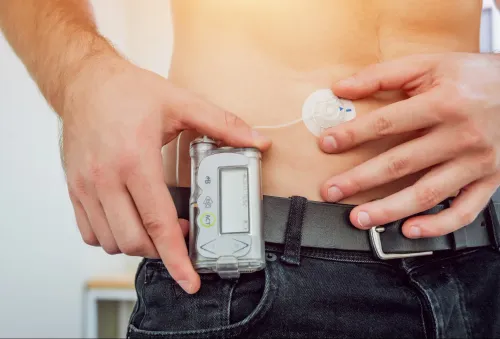
Some people with type 2 diabetes may need insulin temporarily or over the long term. Starting insulin does not necessarily mean that diabetes has reached an irreversible stage. It may be recommended when glucose is very high, during illness, around surgery or when other treatment is insufficient.
Monitoring and Follow-Up
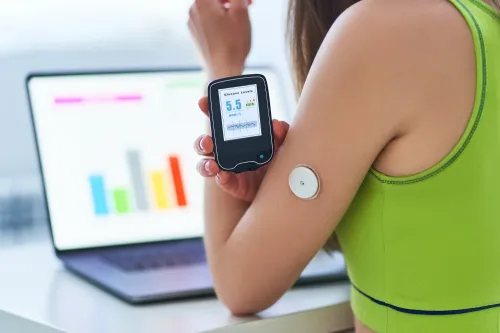
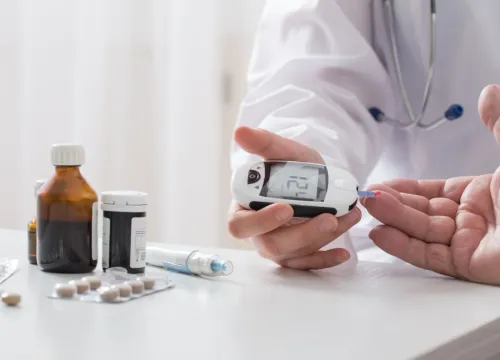
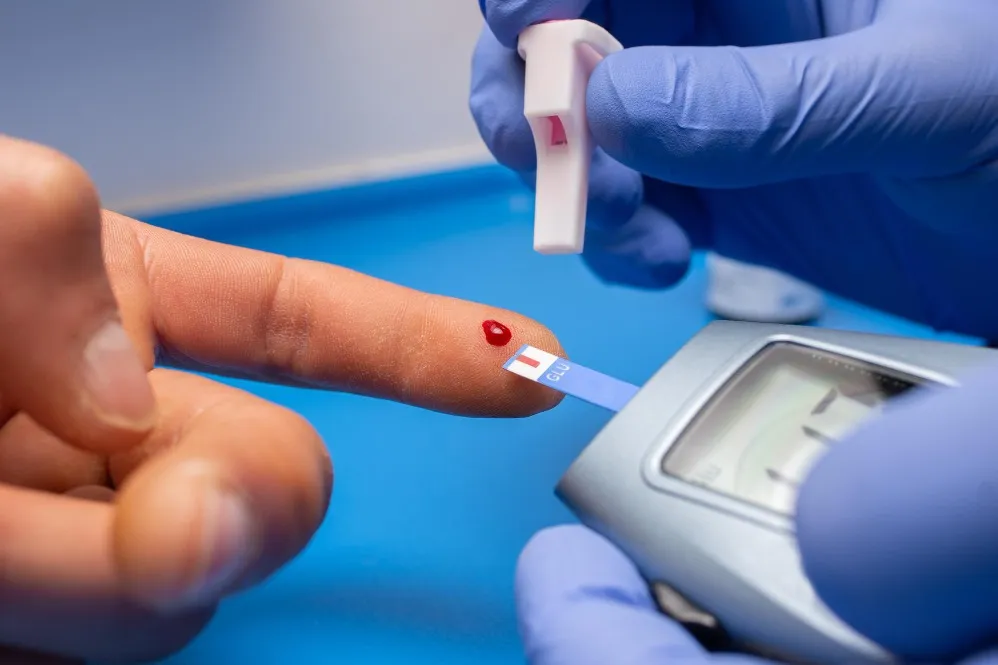
Home glucose monitoring, HbA1c testing and periodic medical reviews help determine whether the plan is working. The frequency should be based on treatment and individual risk.
What Results Should Patients Expect?
Treatment aims should be realistic and individualised. Meaningful improvement may include better glucose patterns, fewer symptoms, improved blood pressure, safer medicine use and reduced risk of complications.
No responsible treatment plan should guarantee a cure, immediate reversal or permanent discontinuation of medicine. Some patients may need fewer medicines after sustained lifestyle and metabolic improvements, but any change should be medically supervised.
When Should the Plan Be Reviewed?
Request an earlier review if readings remain repeatedly high, low-glucose episodes develop, side effects appear or an illness changes eating habits. Treatment may also need adjustment during pregnancy, travel, religious fasting or surgery.
For personalised type 2 diabetes treatment in Mumbai, consult Dr Suresh Purohit at SugarDoctor Medicare LLP for an assessment based on your health history, glucose patterns and everyday routine.
Keywords