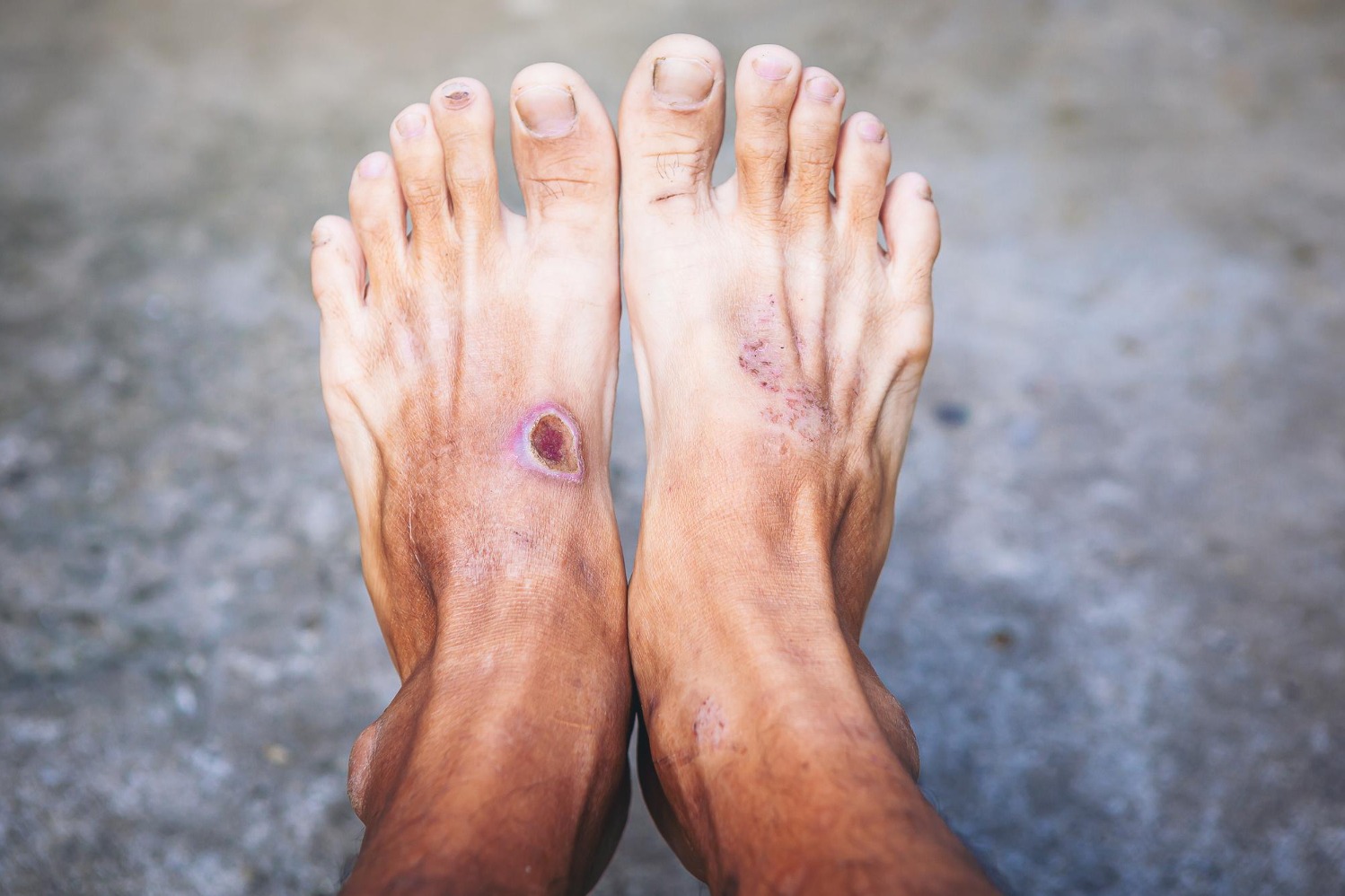
Foot problems in diabetes deserve attention even when they initially appear minor. People searching for a diabetic foot and gangrene specialist Mumbai can consult are often dealing with wounds, swelling, colour changes, infection, or reduced sensation.
The most important principle is early assessment.
Diabetes can affect nerves and circulation, making foot injuries more difficult to detect and sometimes slower to heal.
Why Small Foot Injuries Can Become Serious
Peripheral neuropathy may reduce pain sensation.
A blister, cut, pressure point, or shoe-related injury can therefore worsen without producing significant discomfort.
Reduced circulation can further interfere with tissue healing. If infection develops, the problem can progress more rapidly.
Warning signs include:
- A wound that is not healing
- New swelling or redness
- Discharge or pus
- Unpleasant odour
- Increasing pain
- Numbness or loss of sensation
- Changes in skin colour
- Warmth around a wound
- Fever or feeling generally unwell
When the Situation Is Urgent
Suspected gangrene, blackening of tissue, spreading infection, or fever requires urgent hospital, surgical, and vascular assessment.
These symptoms should not be managed only through routine clinic follow-up or home wound care.
Gangrene can involve severely damaged or dead tissue and may be associated with infection or impaired blood supply. Management depends on the extent of the problem and may require coordinated hospital-based care.
Diabetes Control Is Part of Foot Management
Blood glucose control also matters because persistent hyperglycaemia may make infection and wound healing more difficult.
At SugarDoctor Medicare LLP – Diabetes Care Centre (Est. 1997), Dr. Suresh Purohit and Dr. Lotika Purohit can assess the diabetes-management component of diabetic foot problems and identify when additional wound, vascular, or surgical expertise is required.
Patients from Colaba, Khar West, and surrounding Mumbai areas should also make preventive foot care part of their diabetes routine.
Inspect both feet daily, use properly fitting footwear, avoid walking barefoot, and arrange assessment for wounds that are not healing normally.
Diabetic foot care works best when problems are identified before extensive tissue damage develops.
For diabetes and diabetic-foot assessment appointments, call 9833450000.
Keywords