
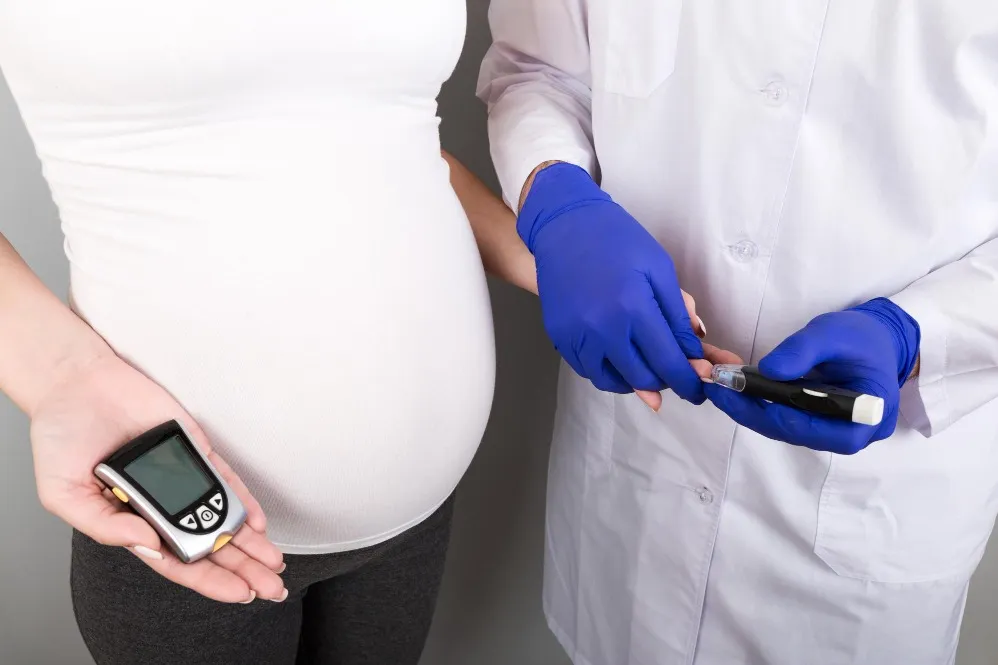
Gestational diabetes refers to high blood glucose first identified during pregnancy. It often develops without noticeable symptoms, which means a pregnant woman may feel completely well while her glucose remains above the recommended range.
Consulting a gestational diabetes doctor in Mumbai can help families understand test results and create a suitable care plan. Diabetes management during pregnancy should remain coordinated with the treating obstetrician because the mother’s glucose levels, nutrition and pregnancy progress are closely connected.
Who Has a Higher Risk of Gestational Diabetes?
Gestational diabetes can occur in any pregnancy, but the likelihood may be greater in women who have:
- A family history of type 2 diabetes
- Overweight or obesity before pregnancy
- Polycystic ovary syndrome
- Gestational diabetes in a previous pregnancy
- Previously delivered a larger baby
- Limited physical activity
- High glucose detected early in pregnancy
- Other signs of insulin resistance
Women of South Asian origin may have an increased metabolic risk even at body weights that do not appear very high. This makes timely screening relevant for expectant mothers in Mumbai and across Maharashtra.
How Is Gestational Diabetes Diagnosed?
An oral glucose tolerance test is commonly used during pregnancy. The test involves drinking a measured glucose solution and providing blood samples at specified times.
The timing and method of screening may vary. Women with significant risk factors may be tested earlier, while others undergo screening later in pregnancy. Results should be interpreted using pregnancy-specific criteria.
A high home glucose reading alone does not confirm gestational diabetes. Similarly, a normal random reading does not replace formal screening when testing has been advised.
What Does Daily Management Involve?
The care plan depends on glucose readings, pregnancy stage, food habits and overall health. It may include:
- Checking glucose at prescribed times
- Eating regular, balanced meals
- Distributing carbohydrate intake through the day
- Choosing appropriate portions
- Including protein, fibre and suitable fats
- Staying active when permitted by the obstetrician
- Taking prescribed insulin or medicine when required
- Attending regular antenatal and diabetes reviews
Pregnancy is not the time for crash diets, prolonged fasting or unsupervised weight-loss efforts. Nutrition should support both glucose management and the needs of the developing baby.
SugarDoctor Medicare LLP provides diabetes guidance under Dr Suresh Purohit for pregnant women from Colaba, Khar West and nearby parts of Mumbai. Recommendations are individualised and coordinated with the patient’s maternity care.
Does Everyone Need Insulin?
Not every woman with gestational diabetes requires insulin. Some can maintain their recommended glucose range with medical nutrition planning and suitable activity. Others may need insulin because pregnancy hormones continue to affect glucose despite consistent lifestyle measures.
The need for insulin is not a personal failure. It is a clinical decision based on glucose patterns and pregnancy requirements. Insulin doses should not be changed or stopped without medical guidance.
Which Warning Signs Require Attention?
Pregnant women should contact their medical team for repeated readings outside the prescribed range, vomiting, inability to eat, symptoms of low glucose or reduced fetal movement.
Women using insulin should learn to recognise possible low glucose symptoms, such as sweating, shaking, sudden hunger, dizziness, confusion or weakness. Family members should understand the response plan provided by the treating doctor.
Is Follow-Up Needed After Delivery?
Glucose levels often improve after childbirth, but follow-up testing remains important. Women with a history of gestational diabetes have a higher future risk of developing type 2 diabetes.
Post-delivery screening, healthy eating, suitable physical activity and periodic glucose checks can support long-term metabolic health. Gestational diabetes care therefore continues beyond pregnancy by connecting antenatal management with postpartum monitoring and prevention.
Keywords