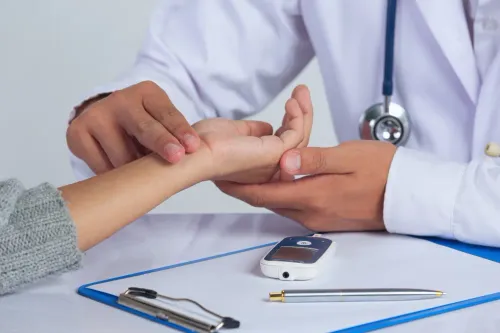
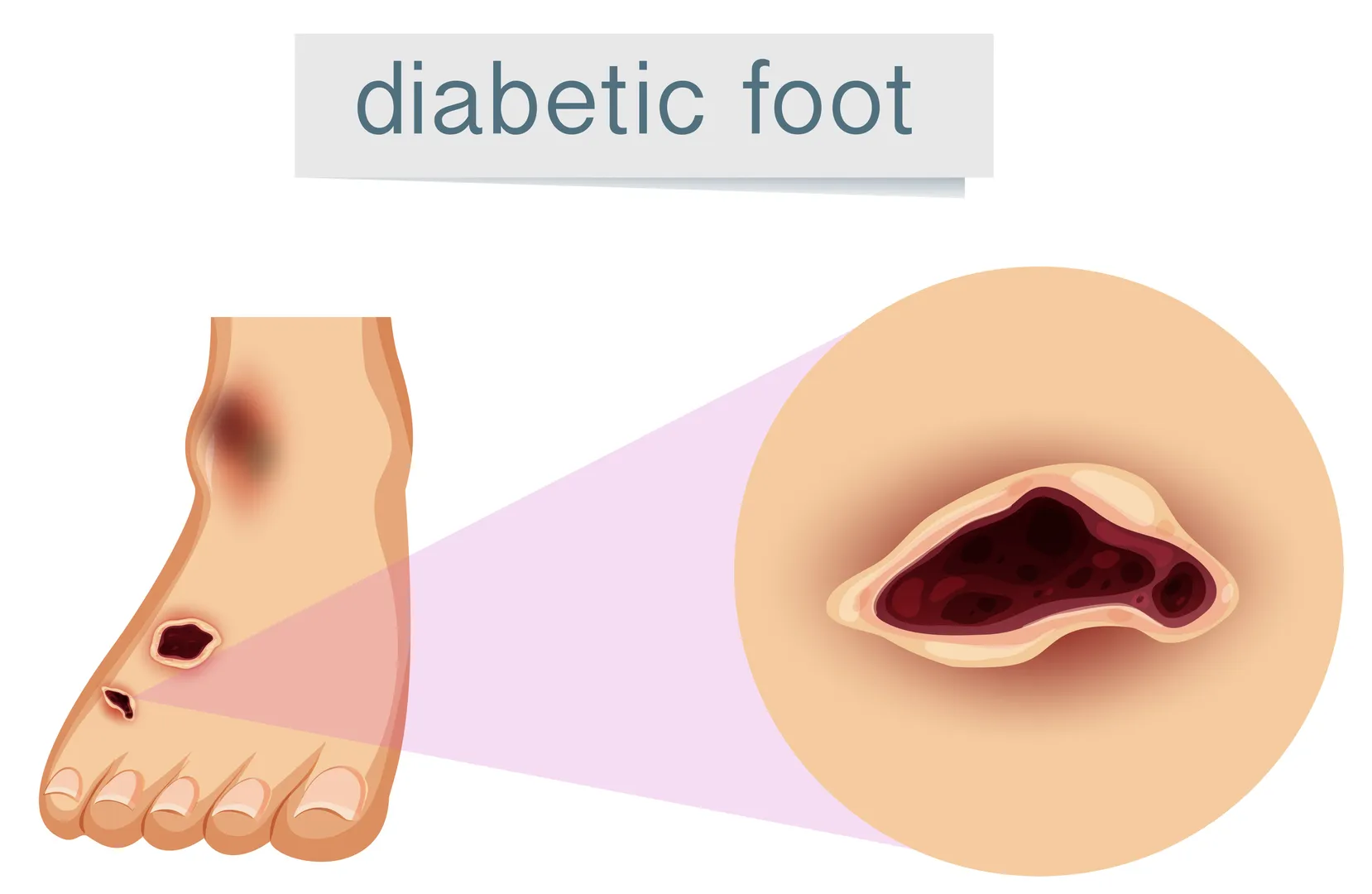
A diabetic wound may begin as a minor cut, blister or pressure injury. When it does not improve as expected, simply changing the dressing may not address the underlying problem. Non-healing diabetic wound treatment in Mumbai often requires an assessment of circulation, infection, pressure, nerve function and glucose management.
At SugarDoctor Medicare LLP, Dr Suresh Purohit assesses diabetes-related factors that may interfere with wound healing. The treatment approach depends on the wound’s location, depth, duration and surrounding tissue.
Common Reasons a Diabetic Wound Heals Slowly
Several problems can be present at the same time.
Reduced Sensation
Diabetic nerve damage can reduce pain, heat and pressure sensation. A person may continue walking on an injured area because the wound does not hurt. Repeated pressure can then delay healing.
Poor Circulation
Reduced blood flow can limit the oxygen and nutrients reaching damaged tissue. A foot that feels cold, looks pale or develops colour changes may require a circulation assessment.
Infection
High glucose and damaged tissue can make infection harder to control. Redness, warmth, swelling, discharge, odour and fever are warning signs, although infection may sometimes be present without dramatic symptoms.
Ongoing Pressure
A wound on the sole may repeatedly bear body weight. Standard footwear or walking normally can keep disturbing the area. Pressure relief, sometimes called offloading, may be needed as part of treatment.
Uncontrolled Glucose
Persistently high glucose may interfere with the body’s healing response. Reviewing medicines, meal patterns and glucose readings is therefore an important part of wound care.
What to Do If a Wound Is Not Improving
Do not wait for the wound to become painful. Arrange an assessment when a cut or ulcer shows little improvement, becomes deeper or develops surrounding redness.
Until it is examined:
- Keep the area protected with a clean dressing
- Avoid walking barefoot
- Do not apply powders, herbal pastes or harsh chemicals
- Do not cut away dead-looking skin yourself
- Reduce pressure on the affected area when possible
- Monitor glucose according to the prescribed plan
- Note any discharge, smell, swelling or colour change
If the foot becomes black, blue, very pale or unusually cold, seek prompt medical attention.
Non-Healing Diabetic Wound Care in Colaba and Khar West
For patients travelling within Mumbai, daily walking and crowded transport can place additional pressure on a foot wound. During the monsoon, wet footwear and prolonged moisture may further affect the skin around the wound.
People receiving care in Colaba or Khar West should carry clean dressings when travelling and avoid footwear that presses against the injured area. Follow-up frequency should be based on the wound’s condition rather than convenience alone.
What May Be Included in Treatment?
After examining the wound, the doctor may recommend:
- Appropriate cleaning and dressing
- Removal of unhealthy tissue when clinically required
- Treatment for infection
- Pressure-relieving footwear or devices
- Glucose-management adjustments
- Circulation testing
- Imaging or laboratory tests when indicated
- Referral for vascular or surgical care if necessary
Not every wound requires the same dressing or antibiotic. Treatment should be guided by the wound characteristics and the patient’s overall health.
Avoid Delays Caused by False Improvement
A reduction in discharge does not always mean the wound has healed. Skin may close over an unresolved deeper problem, or swelling may temporarily decrease while pressure continues.
Regular measurement and clinical review help determine whether the wound is genuinely becoming smaller and healthier. Healing can take time, but there should be a clear monitoring plan.
For a diabetic wound that is slow to heal, schedule an assessment with Dr Suresh Purohit at SugarDoctor Medicare LLP. Timely evaluation can identify the factors delaying recovery and guide suitable treatment.
Keywords