People who require insulin may receive it through daily injections or an insulin pump. Both methods can support glucose management, but they differ in their routines, flexibility, technical demands and costs.
Anyone considering insulin pump therapy in Mumbai should first understand what a pump does. It is not a device that removes the need for diabetes self-care. It is another method of delivering insulin and requires structured training, regular monitoring and careful handling.
How Does an Insulin Pump Deliver Insulin?
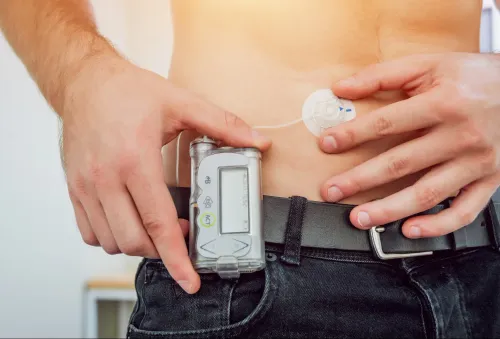
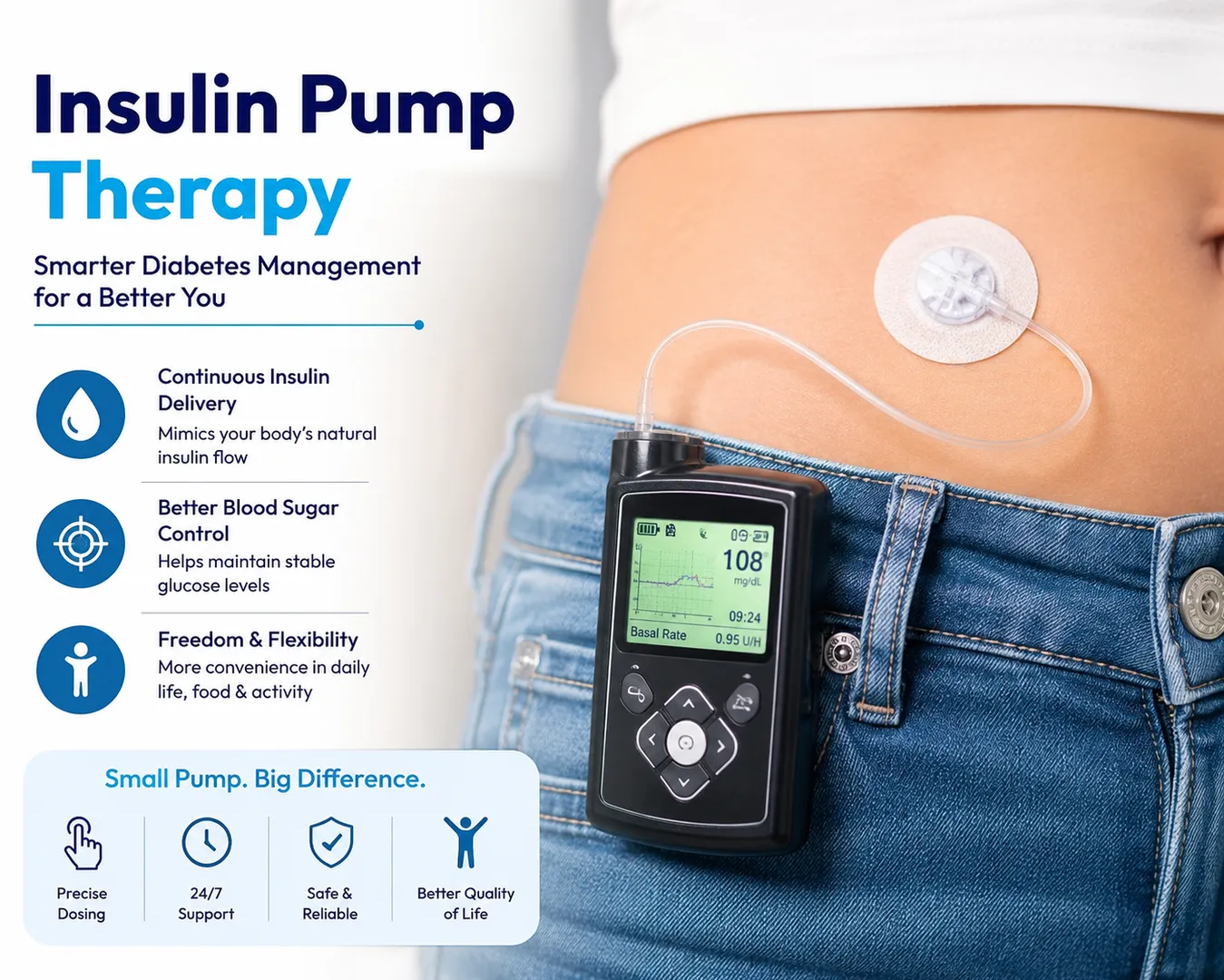
An insulin pump is a small programmable device that delivers rapid-acting insulin throughout the day. A continuous background amount, called basal insulin, supports the body between meals and overnight. Additional doses, known as boluses, are delivered for meals or glucose corrections.
Some pumps connect to the body through tubing and an infusion set. Patch pumps attach directly to the skin. The infusion site must be changed at the recommended interval to reduce the risk of irritation, infection or interrupted insulin delivery.
How Is Pump Therapy Different from Injections?
People using multiple daily injections commonly take long-acting insulin for background requirements and rapid-acting insulin around meals. A pump generally replaces long-acting insulin with small, continuous doses of rapid-acting insulin.
Pump therapy may offer:
- Different basal rates at different times
- More precise insulin adjustments
- Temporary changes during exercise or illness
- Flexible meal timing
- Detailed insulin-delivery records
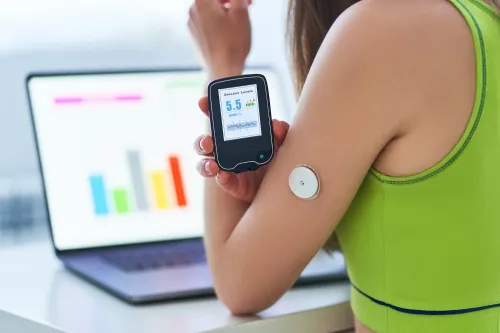
- Integration with selected CGM systems
Injections may suit people who prefer not to wear a device continuously. They may also involve fewer technical steps and lower initial equipment costs.
The choice should not be based only on convenience. Glucose patterns, insulin requirements, daily responsibilities and the person’s willingness to learn pump management all matter.
Who May Be Considered for a Pump?
Insulin pumps are commonly used by people with type 1 diabetes. Selected people with insulin-dependent type 2 diabetes may also be evaluated.
A doctor may discuss pump therapy when a patient has:
- Frequent high or low glucose readings
- Significant overnight fluctuations
- Variable work, travel or meal schedules
- A need for small insulin adjustments
- Low-glucose episodes without warning symptoms
- Difficulty reaching individual glucose goals
- Interest in technology-supported diabetes care
Dr Suresh Purohit at SugarDoctor Medicare LLP evaluates medical suitability and practical readiness for patients from Colaba, Khar West and other Mumbai locations.
What Training Is Required?
Pump users should know how to:
- Insert and replace the infusion set
- Use the prescribed basal settings
- Calculate or enter meal-related doses
- Respond to high and low glucose readings
- Recognise blocked tubing or a displaced cannula
- Check ketones when advised
- Use backup insulin if the pump fails
- Manage the device during exercise, travel and illness
Because a pump uses rapid-acting insulin, interruption of delivery can cause glucose to rise. Unexpectedly high readings therefore require timely attention.
Practical Considerations in Mumbai
Heat, humidity, crowded travel and long working hours can affect device use. Adhesion during sweating, safe insulin storage and access to replacement supplies should be discussed in advance.
Before choosing a pump, compare device cost, recurring consumables, warranty support, training availability and compatibility with CGM technology. Users should also know what support is available if the pump malfunctions.
Insulin pump therapy may provide flexibility and precise dosing, but successful use depends on appropriate patient selection, education and consistent follow-through.
Keywords