A well-prepared diabetes consultation can be more productive than arriving with scattered reports and trying to remember glucose readings during the appointment. Organising your medical history in advance helps the doctor identify patterns, review treatment safety and determine whether additional screening is required.
Patients looking for a diabetes doctor in Khar West can consult Dr Suresh Purohit at SugarDoctor Medicare LLP for diabetes and metabolic health evaluation. Preparing a few essential details can make the first appointment clearer and more focused.
Gather Your Medical Reports
Carry recent and older laboratory results whenever available. Comparing reports over time can reveal whether glucose control is improving, remaining stable or gradually worsening.
Useful records may include:
- Fasting and post-meal glucose
- HbA1c reports
- Kidney and liver function tests
- Cholesterol reports
- Thyroid tests when previously performed
- Urine examination
- Eye examination reports
- Hospital discharge summaries
- Previous prescriptions
- Foot or wound-related records
Do not discard an older report simply because a newer one is available. Trends can be clinically meaningful.
Create an Accurate Medicine List
Write down every prescription medicine, insulin dose, vitamin, supplement and over-the-counter product you use. Include the dose and usual timing.
Bring insulin pens, glucose meters or medicine strips if you are uncertain about the names. This reduces the risk of duplication and helps the doctor check whether medicines are being taken correctly.
Never stop diabetes medication before the consultation unless your treating doctor has specifically instructed you to do so.
Preparing for a Diabetes Appointment in Khar West
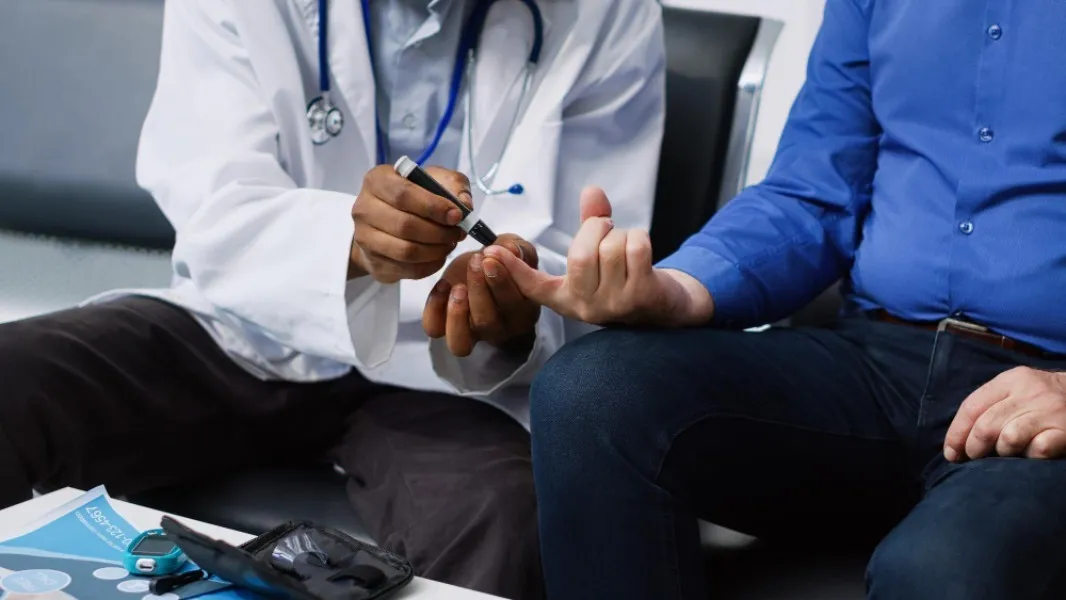
Before visiting the clinic in Khar West, record home glucose readings for several days if monitoring has already been advised. Include the time, relation to meals and any symptoms.
A simple record may show:
- Fasting glucose
- Pre-meal or post-meal readings
- Bedtime glucose
- Episodes of sweating, shaking or dizziness
- Missed meals or delayed medicines
- Unusually high readings during illness
- Changes after exercise
This information is often more useful than isolated numbers without context.
Think About Your Daily Routine
Diabetes treatment should fit the realities of daily life. Be ready to discuss:
- Wake-up and sleep timings
- Work shifts or frequent travel
- Typical breakfast, lunch and dinner
- Snacks and sweetened drinks
- Alcohol or tobacco use
- Weekly physical activity
- Restaurant meals
- Religious fasting
- Stress and sleep quality
There is no benefit in hiding occasional indulgences or missed doses. Honest information allows the doctor to suggest safer, more realistic adjustments.
Mention Symptoms Even If They Seem Unrelated
Blurred vision, numb feet, frequent urination, recurrent infections and slow-healing cuts can be relevant. So can snoring, daytime sleepiness, swelling, chest discomfort or unexplained weight changes.
Report symptoms of possible low glucose, including sudden hunger, sweating, trembling, confusion and weakness. Repeated low readings may require medication or insulin adjustment.
Write Down Your Questions
Appointments can feel rushed when patients try to remember several concerns at once. Prepare a short question list covering treatment goals, monitoring frequency, diet, exercise, travel and follow-up timing.
If a family member helps with medicines or insulin, consider bringing that person to the consultation. This can improve understanding and reduce dosing errors at home.
To prepare for individualised diabetes care in Khar West, book a consultation with Dr Suresh Purohit at SugarDoctor Medicare LLP and bring your reports, medicines and home glucose records.
Keywords