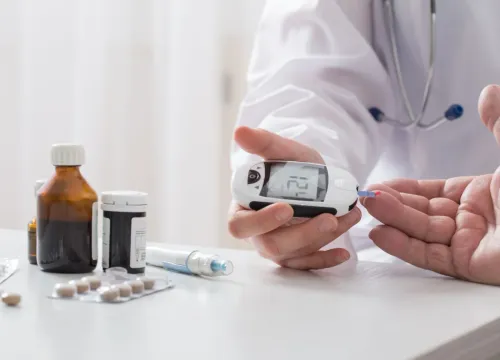
A finger-prick test shows the glucose level at one particular moment. It cannot always reveal what happened after lunch, during exercise, overnight or between two scheduled checks. Continuous glucose monitoring, commonly called CGM, provides a more detailed view by tracking glucose patterns throughout the day and night.
People exploring CGM in Mumbai should understand how the system works before relying on its readings. The device can generate valuable information, but the data must be interpreted within the context of meals, activity, medicines and symptoms.
How Does a CGM Work?
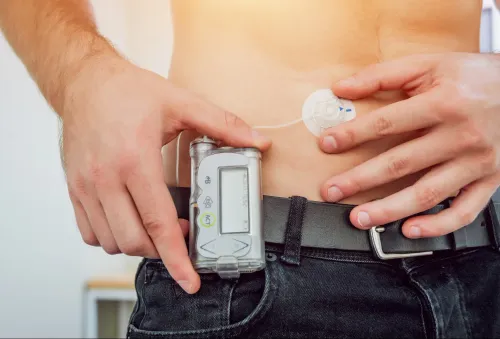
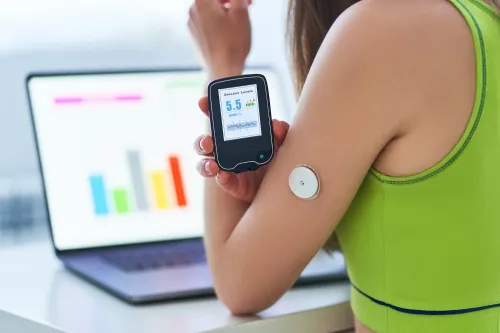
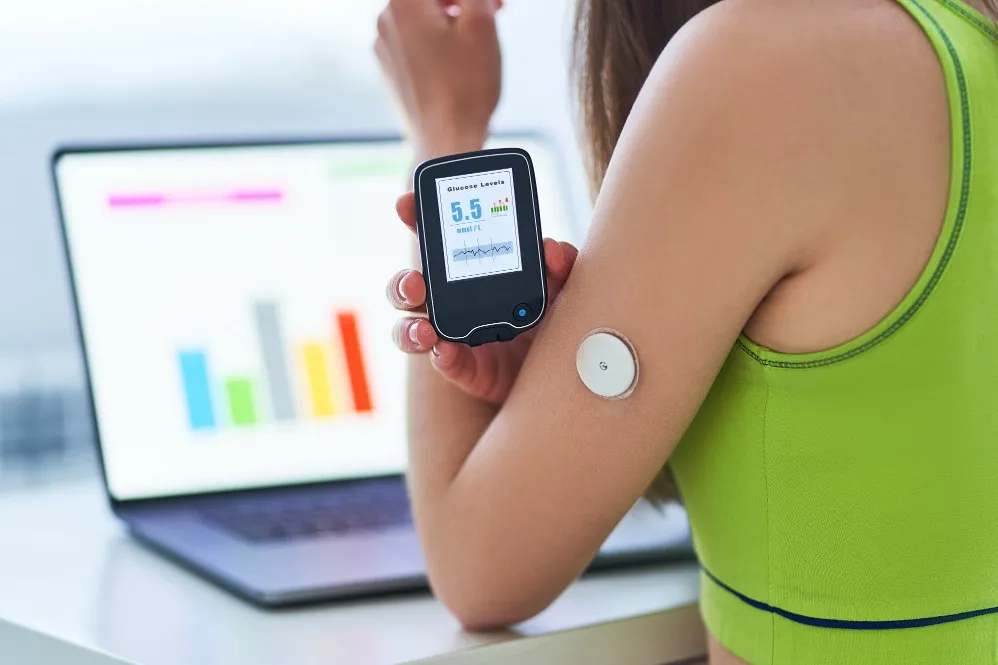
A CGM uses a small sensor placed just beneath the skin, usually on the upper arm or abdomen. The sensor estimates glucose in the fluid surrounding the body’s cells. Readings are transmitted to a compatible smartphone, receiver or insulin pump.
Depending on the system, users may be able to view:
- Current estimated glucose
- Whether glucose is rising, falling or stable
- High- and low-glucose alerts
- Overnight glucose behaviour
- Post-meal changes
- Time spent within the prescribed target range
- Daily and weekly trend reports
At SugarDoctor Medicare LLP, CGM reports are assessed alongside the patient’s treatment routine. Dr Suresh Purohit helps patients from Colaba, Khar West and across Mumbai understand whether repeated patterns require changes in monitoring, food choices or prescribed treatment.
Does CGM Measure Blood Glucose Directly?
CGM sensors estimate glucose in interstitial fluid rather than directly measuring blood glucose. The two values are closely related, but they may not be identical.
A short delay can occur when glucose changes quickly. This is particularly relevant after eating, exercising, treating low glucose or taking insulin. The direction arrow and recent trend can therefore be as important as the displayed number.
Does CGM Completely Replace Finger-Prick Testing?
Not in every situation. A blood glucose meter may still be required when:
- Symptoms do not match the sensor reading
- The displayed value appears unexpectedly high or low
- Glucose is changing rapidly
- The system requests calibration
- The sensor is newly inserted
- A treatment decision requires confirmation
Users should follow the instructions supplied with their device and the monitoring plan recommended by their doctor.
Who May Benefit from CGM?
CGM is frequently considered for people who use insulin, experience glucose fluctuations or have recurring low-glucose episodes. It may also be useful when routine readings look acceptable but HbA1c remains elevated.
Some people use CGM continuously. Others undergo professional CGM for a limited period so that a doctor can study their glucose patterns. Suitability depends on the type of diabetes, treatment plan, expected clinical benefit and the user’s ability to respond appropriately to alerts.
What Can CGM Teach You About Meals?
CGM can show how glucose changes after eating, but a single spike should not be used to label a food as permanently suitable or unsuitable. Portion size, meal composition, sleep, stress, previous activity and medication timing can all influence the result.
For example, the same rice-based meal may produce different readings depending on the serving size, accompanying protein, time of day and activity after eating. Repeated patterns across several days are generally more meaningful than one isolated response.
What Are the Practical Limitations?
CGM involves sensor replacement, device costs and compatible technology. Some users experience mild skin irritation or difficulty keeping the sensor attached during humid weather and exercise. Frequent alerts can also become distracting if settings are not personalised.
The purpose of CGM is not to create anxiety about every fluctuation. Its real value lies in identifying meaningful trends and supporting informed discussions with the diabetes care team.
Keywords